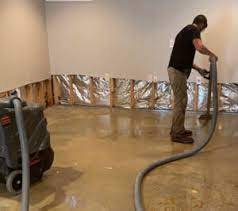
Residential vs. Commercial Water Damage Restoration Challenges
Water damage restoration in residential and commercial settings presents unique challenges due to differences in scale, structure, and usage. Here’s a comparison of the challenges typically encountered in each context and the need of mold removal near me:
Residential Water Damage Restoration Challenges:
- Emotional Impact: Homeowners often have strong emotional attachments to their properties, making the stress and anxiety associated with water damage restoration more pronounced. Restoration professionals may need to provide emotional support and clear communication.
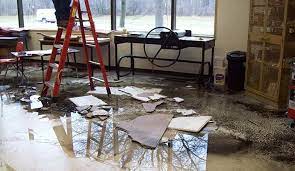
- Limited Space: Residential properties tend to be smaller than commercial buildings, which can make equipment placement and maneuverability challenging.
- Contents Management: Homes are often filled with personal belongings and furniture that require careful removal, cleaning, and storage during restoration. Protecting and salvaging sentimental items is a priority.
- Occupancy Concerns: Many residential properties are occupied during restoration, so the restoration process must be coordinated to minimize disruptions to daily life.
- Different Building Materials: Residential structures may have a variety of building materials, including drywall, hardwood floors, and carpeting, each with its own set of restoration considerations.
- Insurance Complexity: Homeowners may have various insurance policies, and navigating the claims process can be complex, requiring attention to detail and clear documentation.
Commercial Water Damage Restoration Challenges:
- Scale and Complexity: Commercial buildings are often larger and more complex than residential properties, with multiple floors, rooms, and specialized spaces. This complexity can make assessment and restoration more intricate.
- Critical Operations: Many commercial properties house businesses or institutions that cannot afford prolonged closures. Restoration professionals must work efficiently to minimize downtime.
- Health and Safety Regulations: Commercial properties may be subject to stricter health and safety regulations, requiring compliance with codes and standards during restoration.
- Specialized Equipment: Commercial properties may require specialized equipment for restoration, such as industrial-grade dehumidifiers, large-scale drying systems, and heavy-duty water extraction tools.
- Data and Technology: Some commercial properties, such as data centers or laboratories, contain sensitive equipment and technology that must be protected from water damage and carefully evaluated during restoration.
MRC Restoration
573-315-6143
- Contaminants and Chemicals: Commercial properties may store hazardous materials or chemicals that can pose additional risks during water damage events, necessitating specialized cleanup and disposal procedures.
- Complex Ownership and Decision-Making: Decision-making in commercial properties can involve multiple stakeholders, including property owners, landlords, tenants, and insurance companies. Coordinating actions and obtaining approvals can be challenging.
- Business Continuity: Restoring commercial properties often involves not only repairing physical damage but also ensuring the business can continue operations without significant interruptions.
Both residential and commercial water damage restoration scenarios require specialized knowledge, equipment, and training. Professionals in this field must adapt their approaches based on the unique challenges presented by each type of property and situation. Clear communication, attention to detail, and a commitment to customer satisfaction are crucial in both residential and commercial contexts.
Leave a Reply